
Vineyards Lawn Mowing Services
Choose Vineyards Lawn Mowing for reliable, professional service that keeps your yard healthy and beautiful all season long. Our expert team uses top-quality equipment and attention to detail to ensure your lawn stands out in the neighborhood.
Get a Free QuoteOur Vineyards Landscaping & Yard Care Services
When to Schedule Lawn Mowing in Vineyards, Florida – Seasonal Guide
In Vineyards, Florida, the timing of your lawn mowing routine is crucial for maintaining a healthy, vibrant yard throughout the year. The region’s subtropical climate means that grass grows most vigorously from late spring through early fall, especially in neighborhoods near Vineyards Community Park and along Vanderbilt Beach Road. Optimal mowing schedules should account for the area’s warm, humid summers and mild winters, as well as the typical last frost date in early February and the increased risk of drought during late spring.
Local environmental factors such as sandy soils, dense shade from mature oaks in areas like Hammock Bay, and periodic heavy rainfall all play a role in determining the best mowing frequency. Homeowners should also be aware of municipal guidelines and seasonal restrictions, which can be found on the official town website. By tailoring your mowing schedule to these local conditions, you’ll ensure your lawn remains lush and resilient year-round.
Local Factors to Consider for Lawn Mowing in Vineyards
- Tree density and shade coverage, especially in established neighborhoods
- Soil type (sandy or loamy soils affect grass growth rates)
- Seasonal precipitation and drought risk
- Proximity to water features or wetlands
- Municipal mowing restrictions and guidelines
- Terrain and slope, which can impact mowing safety and frequency
Benefits of Lawn Mowing in Vineyards
Enhanced Vineyard Aesthetics
Improved Soil Health
Weed and Pest Control
Optimized Grape Growth
Professional and Reliable Service
Time and Cost Efficiency
Vineyards Lawn Mowing Types

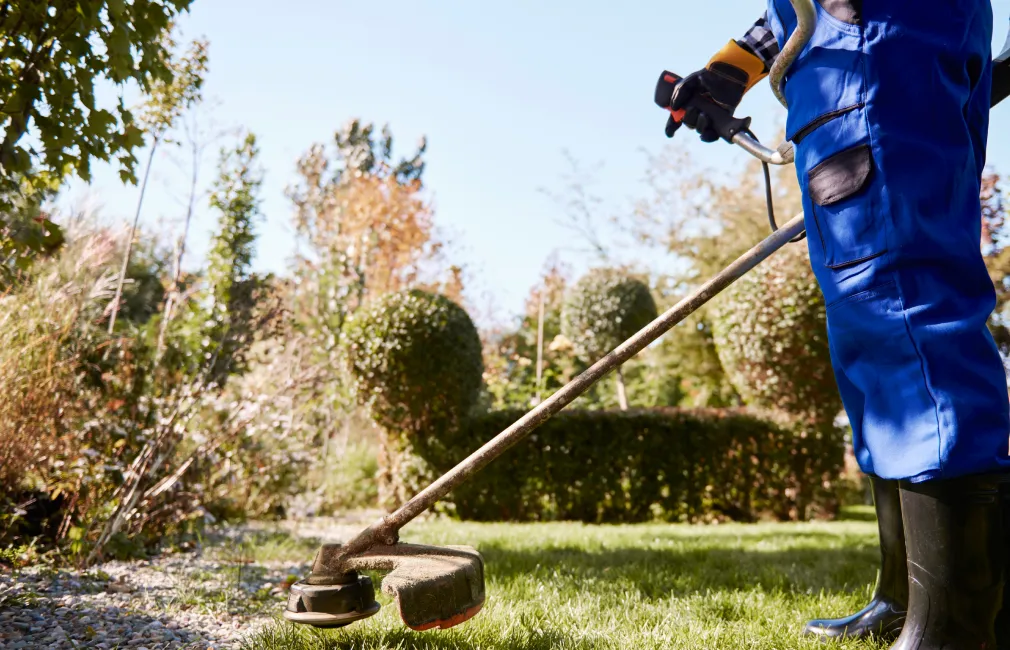
Standard Lawn Mowing
-
Precision Edging
-
Mulching Mow
-
Bagging and Removal
-
Striping Patterns
-
Seasonal Mowing Adjustments
-
Eco-Friendly Mowing
Our Lawn Mowing Process
Site Evaluation
Equipment Preparation
Mowing Execution
Edging and Trimming
Cleanup
Why Choose Vineyards Landscape Services
-
Vineyards Homeowners Trust Us
-
Expert Lawn Maintenance
-
Reliable Irrigation Solutions
-
Comprehensive Seasonal Cleanup
-
Professional Tree and Shrub Care
-
Competitive Pricing
-
Satisfaction Guarantee
Coordinating Lawn Mowing Services with Collier County Departments in Vineyards
Vineyards is an unincorporated census-designated place in Collier County, meaning residents and property managers coordinate lawn mowing–related matters through county-level departments rather than a municipal government. Grass clippings, vegetative trimmings, and mowing debris must be managed so they do not enter stormwater swales, roadside drainage inlets, or retention pond edges that serve the community's interconnected water management infrastructure. Collier County's Pollution Control section oversees environmental compliance related to runoff and discharge, and property owners should verify current yard waste collection schedules and bundling requirements through the county's solid waste division before placing cuttings curbside.
- Grass clippings and small vegetative debris should be bagged or contained according to Collier County's curbside collection guidelines; verify accepted materials and pickup days directly with the county.
- Mowing crews operating along rights-of-way or near community drainage features should prevent clippings from accumulating in swale channels or inlet grates.
- Properties adjacent to lakes, retention ponds, or canal easements should direct clippings away from water edges to reduce nutrient loading.
Collier County Pollution Control
Official Website: Collier County Pollution Control
Collier County Parks and Recreation
Official Website: Collier County Parks and Recreation
How Vineyards's Subtropical Climate and Soils Affect Lawn Mowing Frequency
Vineyards sits within USDA Hardiness Zone 10a–10b in southwest Florida's subtropical corridor, where warm-season turfgrasses grow aggressively from late April through October. The community falls within the South Florida Water Management District's jurisdiction, and its wet season—typically June through September—delivers heavy afternoon thunderstorms that accelerate turf growth and create saturated soil conditions. Predominant soils in the Vineyards area tend toward sandy, poorly drained profiles with a high seasonal water table, which affects mowing timing and equipment access.
- Heat intensity: Summer temperatures regularly exceed 90°F with high humidity, causing rapid blade elongation in St. Augustinegrass and bahiagrass—the two most common turf species in the area.
- Wet-season growth: Weekly or even twice-weekly mowing may be necessary during peak wet season to avoid removing more than one-third of the blade height per cut, as recommended by UF/IFAS Lawn Maintenance and Care guidelines.
- Sandy soil drainage: While sandy soils drain quickly in dry conditions, the high water table in many Vineyards subdivisions can leave turf saturated after storms, making mowing on waterlogged ground a compaction and rutting risk.
- Fungal pressure: Persistent humidity and warm overnight temperatures promote fungal diseases such as gray leaf spot and brown patch, which can worsen when turf is mowed too short or when wet clippings are left in thick mats.
Navigating Collier County's Landscaping and Stormwater Regulations for Lawn Mowing
Lawn mowing in Vineyards must account for several layers of county and state environmental regulation. Collier County enforces landscaping and environmental standards through its Development Services division, including requirements related to vegetation maintenance along rights-of-way and within planned unit developments. The county's environmental landscaping code addresses native vegetation preservation and buffer maintenance, which can affect how mowing is performed near preserve edges or conservation easements common throughout Vineyards.
- Mowing contractors and property owners should ensure that no grass clippings, sediment, or organic debris enters the county's municipal separate storm sewer system (MS4), consistent with the Florida DEP NPDES Stormwater Program and the federal Clean Water Act.
- Any herbicide or pesticide application performed in conjunction with mowing services requires proper licensing through the FDACS Pesticide Applicator Certification program.
- Collier County's fertilizer ordinance restricts application during certain periods; residents should confirm current blackout dates and application rates through the county before combining fertilization with mowing schedules.
Collier County Environmental Landscaping
Official Website: Collier County Environmental Landscaping
Timing and Technique Standards for Lawn Mowing in Vineyards's Heat and Humidity
Professional mowing standards in Vineyards must account for the region's intense solar radiation, high humidity, and the specific growth habits of warm-season turfgrasses. Proper mowing height is the single most important factor in maintaining turf health and reducing irrigation demand, weed pressure, and disease susceptibility in this climate.
- St. Augustinegrass (the dominant species in most Vineyards subdivisions): maintain at 3.5–4 inches during summer to promote deeper root development and shade out weeds. Mowing below 3 inches increases vulnerability to chinch bugs and drought stress.
- Bahiagrass: maintain at 3–4 inches; this species tolerates lower fertility but requires sharp blades to prevent the ragged cut appearance common with dull mower decks.
- Mowing timing: schedule mowing for morning hours after dew has dried but before peak afternoon heat, typically between 8:00 AM and 11:00 AM. Mowing wet turf promotes disease spread and uneven cuts.
- Clipping management: in most conditions, returning clippings to the lawn (grasscycling) is recommended by UF/IFAS to recycle nutrients and reduce waste volume, provided clippings are not excessive or clumped.
- Blade sharpness: sharpen mower blades every 8–10 hours of use; torn leaf tips from dull blades create entry points for fungal pathogens, which thrive in Vineyards's humid conditions.
- Irrigation coordination: avoid mowing within 24 hours of scheduled irrigation to prevent soil compaction and wheel rutting on saturated sandy soils.
What Neighborhoods Do We Serve Throughout Vineyards, FL?
- Vineyards Country Club: Large estate-style lots with extensive irrigated St. Augustinegrass lawns, mature tree canopy creating mixed sun-shade mowing conditions, and HOA-maintained common areas adjacent to the golf course.
- Terracina: Mid-sized single-family lots with community lake frontage requiring careful clipping management near retention pond edges and swale systems that connect to the broader Vineyards drainage network.
- Aviano: Newer construction with compacted fill soils that may require adjusted mowing heights during establishment years; properties feature smaller lot sizes with shared stormwater infrastructure.
- Saturnia Lakes: Lakefront and interior lots with significant irrigation dependence; mowing crews must navigate preserve buffer edges and maintain setbacks from conservation easements.
- Glen Eagle: An active adult community with uniform turf areas and community-managed landscaping standards that influence mowing height, frequency, and debris handling expectations.
- Bent Creek Preserve: Properties bordering natural preserve areas where mowing must respect buffer zones and avoid disturbing native vegetation along conservation boundaries.