
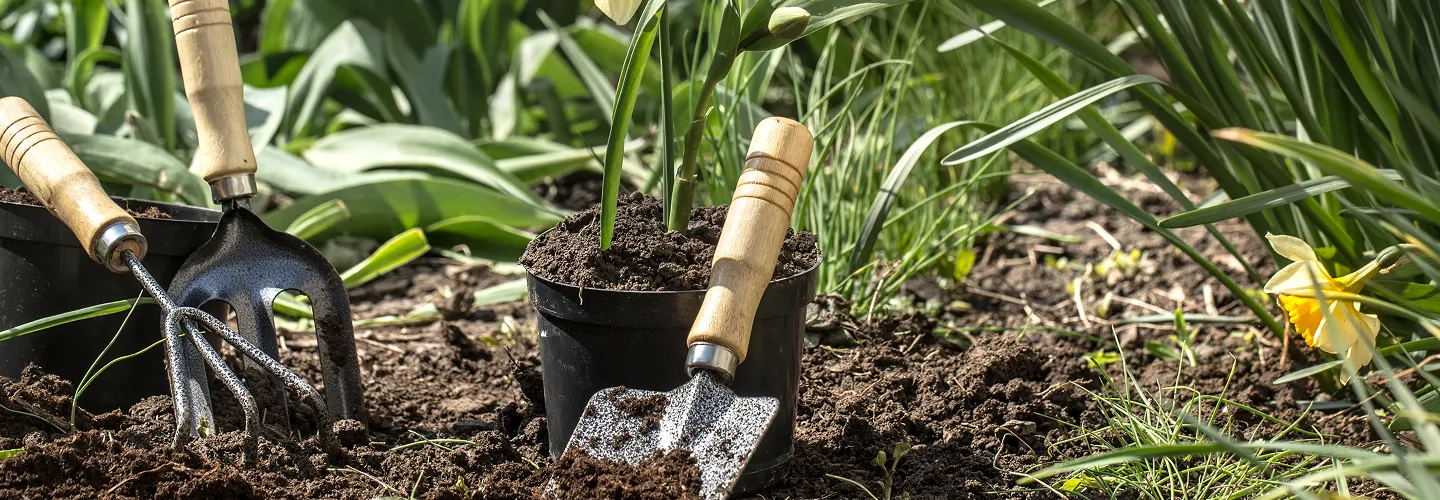
Vineyards Flower Planting Services
Choose our Flower Planting services for expert selection, careful planting, and vibrant displays that thrive season after season—making your property stand out with lasting beauty and curb appeal.
Get a Free QuoteOur Vineyards Landscaping & Yard Care Services
When to Schedule Flower Planting in Vineyards, Florida – Seasonal Guide
Flower planting in Vineyards, Florida, is best scheduled with careful attention to the region’s unique subtropical climate and local landscape features. The optimal planting windows typically fall between late October and early April, when temperatures are milder and the risk of extreme heat or drought is lower. Neighborhoods near Vineyards Community Park and along Vanderbilt Beach Road often benefit from early spring planting, as soil temperatures begin to rise and rainfall becomes more consistent.
Local environmental factors such as the area’s sandy soils, high humidity, and occasional late-winter cold snaps can all influence planting success. It’s important to consider the last expected frost date—usually in early February for Vineyards—as well as the microclimates created by mature tree canopies in communities like Hammock Isles or Augusta Falls. For more information on local weather patterns and municipal guidelines, visit the official Vineyards resource.
Local Factors to Consider for Flower Planting in Vineyards
- Tree density and shade coverage in your yard
- Soil drainage and composition (sandy vs. loamy)
- Average precipitation and drought risk
- Proximity to water features or retention ponds
- Municipal restrictions or HOA guidelines
- Terrain slope and exposure to wind
Benefits of Flower Planting in Vineyards
Enhanced Vineyard Biodiversity
Natural Pest Control
Improved Soil Health
Attractive Vineyard Aesthetics
Support for Pollinators
Reduced Need for Chemicals
Vineyards Flower Planting Types

Perennial Border Plantings
-
Pollinator-Friendly Wildflowers
-
Ground Cover Flower Beds
-
Native Flower Integration
-
Seasonal Bulb Displays
-
Companion Flower Rows
-
Edible Flower Gardens
Our Flower Planting Process
Site Evaluation
Soil Preparation
Flower Selection
Planting
Watering and Mulching
Why Choose Vineyards Landscape Services
-
Vineyards Homeowners Trust Us
-
Expert Lawn Maintenance
-
Reliable Irrigation Solutions
-
Comprehensive Seasonal Cleanup
-
Professional Tree and Shrub Care
-
Competitive Pricing
-
Satisfaction Guarantee
Coordinating Flower Planting Projects with Collier County Departments in Vineyards
Vineyards is an unincorporated census-designated place governed by Collier County, so all landscaping coordination routes through county-level departments rather than a municipal office. Property owners and managers planning flower planting installations should begin by reviewing Collier County's environmental landscaping requirements, which address native vegetation preservation, approved plant palettes, and landscape buffer standards that may affect bed placement near rights-of-way, retention areas, or preserve tracts. For projects that involve site work beyond simple bed preparation—such as grading changes, irrigation tie-ins, or planting within common-area easements—Collier County Development Services can clarify whether additional review applies.
- Confirm whether flower bed installations near roadway swales, canal banks, or stormwater retention areas require coordination with county drainage standards
- Review HOA architectural guidelines before selecting species or modifying bed layouts in deed-restricted communities
- Verify irrigation source (potable, well, or reclaimed water) and confirm compliance with South Florida Water Management District watering schedules
Collier County Environmental Landscaping
2800 N. Horseshoe Drive, Naples, FL 34104
Official Website: Collier County Environmental Landscaping
Collier County Parks and Recreation
15000 Livingston Road, Naples, FL 34109
Official Website: Collier County Parks and Recreation
How Vineyards's Subtropical Climate and Soils Shape Flower Planting Success
Vineyards falls within USDA Hardiness Zone 10a, placing it firmly in South Florida's tropical-subtropical corridor where freeze events are rare but not impossible during brief winter cold fronts. The USDA Plant Hardiness Zone Map confirms this classification, which supports year-round flowering potential for heat-tolerant tropicals and warm-season annuals. Several environmental factors directly influence flower planting outcomes in this community:
- Sandy, low-organic soils: Much of Vineyards was developed on sandy fill and naturally occurring fine sands with limited organic content, leading to rapid nutrient leaching and poor moisture retention without amendment
- High water table: Seasonal water table elevations can reach within inches of the surface during the June-through-October wet season, affecting root-zone saturation and species selection
- Intense summer heat and humidity: Sustained temperatures above 90°F combined with high humidity promote fungal pressure on susceptible flower species, particularly impatiens and certain petunia varieties
- Heavy wet-season rainfall: Vineyards receives the majority of its annual rainfall during summer afternoon thunderstorms, which can erode unprotected beds and flush loose soil or amendments into nearby swales and retention ponds
Soil preparation with composted organic matter improves both water-holding capacity and nutrient availability in these sandy profiles, as noted by UF/IFAS Gardening Solutions.
Navigating Collier County's Landscaping and Environmental Regulations for Flower Planting
Flower planting in Vineyards must align with several layers of county and state regulation. Collier County's Land Development Code includes landscaping standards that govern plant material within required landscape buffers, setback areas, and common-area tracts. While routine residential flower bed work typically does not trigger a formal permit, installations that alter drainage patterns, encroach on utility easements, or modify required landscape buffers may require review through Collier County Development Services.
- Any soil amendment, fertilizer, or pesticide application near retention ponds, canal edges, or stormwater conveyances must comply with the Florida DEP NPDES Stormwater Program and local MS4 permit conditions
- Fertilizer use on flower beds is subject to Collier County's fertilizer ordinance, which restricts nitrogen and phosphorus application during the summer rainy season; residents should verify current blackout dates through the Florida-Friendly Fertilizer Ordinances resource
- Commercial applicators using pesticides or regulated soil treatments must hold valid credentials through FDACS Pesticide Applicator Licensing
Collier County Pollution Control
Official Website: Collier County Pollution Control
Timing and Methods for Professional Flower Planting in Vineyards's Growing Seasons
Flower planting in Vineyards follows two primary installation windows shaped by the region's wet and dry seasons. The optimal period for establishing warm-season annuals and perennials extends from mid-October through early May, when rainfall is moderate, humidity is lower, and root establishment proceeds without waterlogging. Summer planting is feasible for heat-tolerant species such as pentas, lantana, plumbago, and bulbine, but requires careful irrigation management and fungal monitoring.
- Bed preparation: Remove existing vegetation and debris, amend sandy soils with two to three inches of composted organic material, and grade beds to drain away from structures and toward designated stormwater conveyances—never toward neighboring properties or canal banks
- Species selection: Choose plants rated for Zone 10a that tolerate both summer saturation and dry-season irrigation dependence; native and Florida-Friendly species such as firebush, coontie, and blanket flower reduce long-term water and chemical inputs, consistent with EPA WaterSense outdoor guidance
- Irrigation coverage: Verify that drip emitters or micro-spray heads provide uniform coverage across the planting zone without overspray onto sidewalks, driveways, or impervious surfaces
- Mulch application: Apply two to three inches of organic mulch around plantings to moderate root-zone temperatures, suppress weeds, and reduce irrigation frequency; keep mulch pulled back from plant stems to prevent crown rot
What Neighborhoods Do We Serve Throughout Vineyards, FL?
- Vineyards Country Club: Established golf-course community with mature landscape beds, lake-adjacent lots, and HOA-regulated planting palettes that require coordination with architectural review before modifying visible flower beds
- Terracina: Features compact lot layouts with limited planting space along front entries and screened lanais, where container-compatible and low-profile flower species perform well in reflected heat from stucco and pavement
- Avellino Isles: Waterfront homesites along interior lakes demand careful species selection to prevent nutrient runoff into retention systems and require salt- and moisture-tolerant plantings near shoreline edges
- Venezia Grande Estates: Larger estate lots with expansive bed areas and mature canopy trees create variable light conditions, requiring shade-tolerant flower selections beneath oaks and palms alongside sun-loving species in open exposures
- Glen Eagle: Active adult community with common-area landscaping standards and individual-lot planting opportunities, where drought-tolerant perennials reduce irrigation demand during dry-season months
- Saturnia Lakes: Newer subdivision with fill-based soils that benefit from thorough organic amendment before planting, and stormwater management areas that restrict bed placement near retention pond buffers