
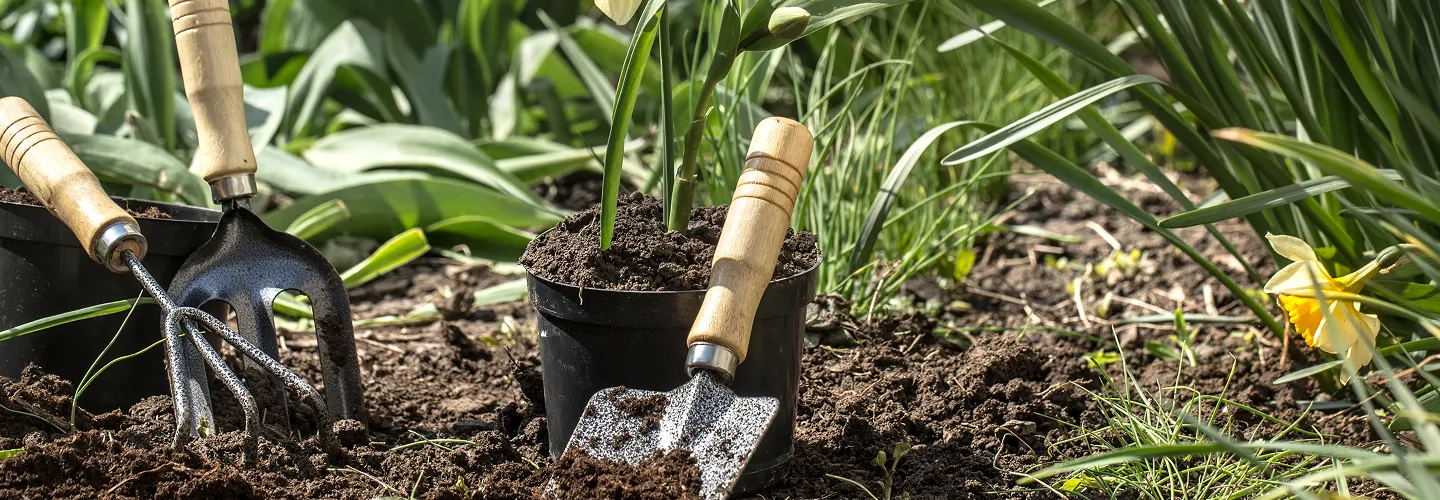
Vineyards Hydroseeding Services
Choose our Hydroseeding service for a cost-effective, eco-friendly solution that delivers quick, even grass growth and long-lasting beauty for your landscape.
Get a Free QuoteOur Vineyards Landscaping & Yard Care Services
When to Schedule Hydroseeding in Vineyards, Florida – Seasonal Guide
Hydroseeding in Vineyards, Florida, is most effective when timed to align with the region’s unique subtropical climate and local landscape features. The optimal window typically falls between late winter and early spring, after the last frost but before the onset of the summer rainy season. This timing allows new grass to establish strong roots before facing the intense heat and humidity that characterize Vineyards summers. Neighborhoods near Vineyards Community Park and along Vanderbilt Beach Road often experience microclimates influenced by shade from mature oaks and varying soil compositions, making it important to assess each property individually.
Local environmental factors such as the risk of late spring droughts, high humidity levels, and the sandy, well-draining soils common in the area all play a role in determining the best time for hydroseeding. Homeowners should also consider municipal guidelines and resources, such as those provided by the Town of Sudbury, to ensure compliance with local landscaping regulations and water usage recommendations.
Local Factors to Consider for Hydroseeding in Vineyards
- Proximity to shaded areas or dense tree coverage (e.g., near Vineyards Country Club)
- Soil type and drainage characteristics, especially in neighborhoods with sandy or loamy soils
- Typical precipitation patterns and risk of drought during late spring and summer
- Municipal watering restrictions or seasonal guidelines
- Terrain slope and risk of erosion, particularly on properties bordering local lakes or canals
Benefits of Hydroseeding in Vineyards
Rapid Ground Cover Establishment
Erosion Control Solutions
Cost-Effective Seeding Method
Uniform Seed Distribution
Customizable Seed Blends
Environmentally Friendly Approach
Vineyards Hydroseeding Types

Erosion Control Hydroseeding
-
Cover Crop Hydroseeding
-
Native Grass Hydroseeding
-
Wildflower Hydroseeding
-
Slope Stabilization Hydroseeding
-
Custom Seed Blend Hydroseeding
-
Weed Suppression Hydroseeding
Our Hydroseeding Process
Site Preparation
Soil Conditioning
Hydroseed Application
Watering and Maintenance
Why Choose Vineyards Landscape Services
-
Vineyards Homeowners Trust Us
-
Expert Lawn Maintenance
-
Reliable Irrigation Solutions
-
Comprehensive Seasonal Cleanup
-
Professional Tree and Shrub Care
-
Competitive Pricing
-
Satisfaction Guarantee
Coordinating Hydroseeding Projects Through Collier County Development Services in Vineyards
Vineyards is an unincorporated census-designated place within Collier County, meaning all land development review, environmental compliance, and stormwater oversight falls under county-level departments rather than a municipal government. Property owners and managers planning hydroseeding work—particularly on slopes, disturbed lots, or areas adjacent to retention ponds and drainage swales—should coordinate with Collier County Development Services before beginning site preparation. The county's development review process evaluates grading changes, erosion control measures, and vegetation establishment plans to ensure compliance with land development codes. For projects that involve clearing or regrading prior to hydroseeding, the county may require an erosion and sediment control plan as part of the site work review.
- Confirm whether your project scope triggers a county development review or site-clearing permit
- Submit erosion control documentation when hydroseeding is part of a larger grading or construction project
- Coordinate with the county's environmental landscaping division if the site borders preserved wetlands or native vegetation areas
Collier County Development Services
2800 N Horseshoe Dr, Naples, FL 34104
Official Website: Collier County Development Services
Collier County Environmental Landscaping
2800 N Horseshoe Dr, Naples, FL 34104
Official Website: Collier County Environmental Landscaping
How Vineyards's Subtropical Climate and Sandy Soils Affect Hydroseeding Establishment
Vineyards sits within USDA Hardiness Zone 10a, experiencing a subtropical climate characterized by intense summer heat, high humidity, and a pronounced wet season from roughly June through October. These conditions directly influence hydroseeding success. The area's predominant soils are sandy and often poorly structured, with rapid drainage that can cause seed slurry to dry out quickly during the dry season or wash away during heavy summer downpours. The high water table common throughout this part of Collier County adds another layer of complexity, as saturated conditions during the wet season can inhibit root establishment and promote fungal pressure.
- Sandy soil permeability: Hydroseeding slurry requires adequate tackifier and mulch fiber to bind seed to the surface and resist rapid infiltration or surface erosion on sandy substrates
- Wet-season rainfall intensity: Vineyards receives approximately 54 inches of rain annually, with the majority concentrated between June and September, creating both erosion risk on bare slopes and germination opportunity if timing is managed correctly
- High humidity and fungal pressure: Newly germinated turf in Vineyards faces elevated risk of damping-off and fungal disease during warm, humid months, making seed selection and drainage preparation critical
- Nutrient leaching: Sandy soils allow fertilizer components in hydroseeding slurry to leach rapidly toward the water table, requiring careful formulation to minimize environmental impact near retention ponds and canal systems
Residents can reference the USDA Plant Hardiness Zone Map and the USDA Web Soil Survey for site-specific soil and climate data before planning hydroseeding work.
Navigating Vineyards's Stormwater and Environmental Regulations for Hydroseeding
Hydroseeding in Vineyards must comply with Collier County's stormwater management standards and state-level environmental protections. Because hydroseeding is frequently used for erosion control on disturbed land, it intersects directly with the county's obligations under the Florida DEP NPDES Stormwater Program and the federal Clean Water Act. Any hydroseeding project associated with construction activity that disturbs one acre or more typically requires coverage under a National Pollutant Discharge Elimination System (NPDES) general permit for stormwater discharge.
- Hydroseeding slurry containing fertilizer or soil amendments must be applied so that no material enters swales, retention ponds, canal banks, or storm drain inlets
- Collier County's pollution control division oversees environmental compliance for activities that may affect surface water quality in the Vineyards area
- If the hydroseeding mixture includes any pesticide-treated seed, the applicator may need to hold appropriate credentials through the FDACS Pesticide Applicator Certification and Licensing program
- Fertilizer components within hydroseeding slurry should conform to Collier County's fertilizer ordinance provisions, which align with Florida Statutes §403.9337 regarding Florida-Friendly fertilizer use on urban landscapes
Collier County Pollution Control
2800 N Horseshoe Dr, Naples, FL 34104
Official Website: Collier County Pollution Control
Timing Hydroseeding Around Vineyards's Wet Season and Irrigation Constraints
Professional hydroseeding in Vineyards requires careful alignment with seasonal weather patterns and irrigation availability. The optimal establishment windows and method standards differ substantially from those used in temperate or northern climates.
- Late spring application (April–May): Applying hydroseeding slurry in late spring allows seed to germinate with rising temperatures and early wet-season moisture, reducing irrigation dependence while avoiding the most intense summer downpours
- Early fall application (October–November): A secondary window exists as wet-season rainfall tapers, providing adequate soil moisture for germination with reduced erosion risk from heavy storms
- Seed selection: Warm-season turf species suited to Vineyards include bahiagrass and bermudagrass, both of which establish well from seed in sandy, subtropical conditions; St. Augustinegrass is not typically established through hydroseeding due to its vegetative propagation requirements
- Irrigation monitoring: During the dry season (November through May), supplemental irrigation is essential for hydroseeded areas, and property owners should verify current watering restrictions through the South Florida Water Management District, as schedules may vary by drought stage and utility provider
- Slope stabilization: On graded slopes or berms, hydroseeding slurry should include bonded fiber matrix or hydraulic growth medium rather than standard wood fiber mulch to resist washout during Vineyards's intense summer rainfall events
Guidance on warm-season turf establishment and irrigation practices is available through UF/IFAS Gardening Solutions – Lawns.
What Neighborhoods Do We Serve Throughout Vineyards, FL?
- Vineyards Country Club: Properties within this gated community often feature lake-adjacent lots and managed retention areas where hydroseeding for slope stabilization and erosion control along water edges requires careful stormwater-safe application.
- Terracina: This neighborhood includes common-area swales and landscaped buffers between residential lots, where hydroseeding may be coordinated through the homeowners' association for consistent turf establishment across shared drainage corridors.
- Aviano: Newer construction in Aviano means some lots may still have compacted fill soils from development grading, requiring soil amendment and proper tackifier selection for effective hydroseeding adhesion.
- Glen Eagle: Golf course-adjacent properties in Glen Eagle present irrigation coordination considerations, as hydroseeding establishment schedules must account for existing irrigation zones and shared water infrastructure.
- Saturnia Lakes: Lots bordering preserve areas and retention ponds in Saturnia Lakes require environmentally sensitive hydroseeding practices to prevent slurry runoff into protected natural drainage systems.
- Falcon Ridge: Smaller lot sizes and close proximity between homes in Falcon Ridge demand precise hydroseeding application to avoid overspray onto adjacent hardscape, driveways, and neighboring properties.