
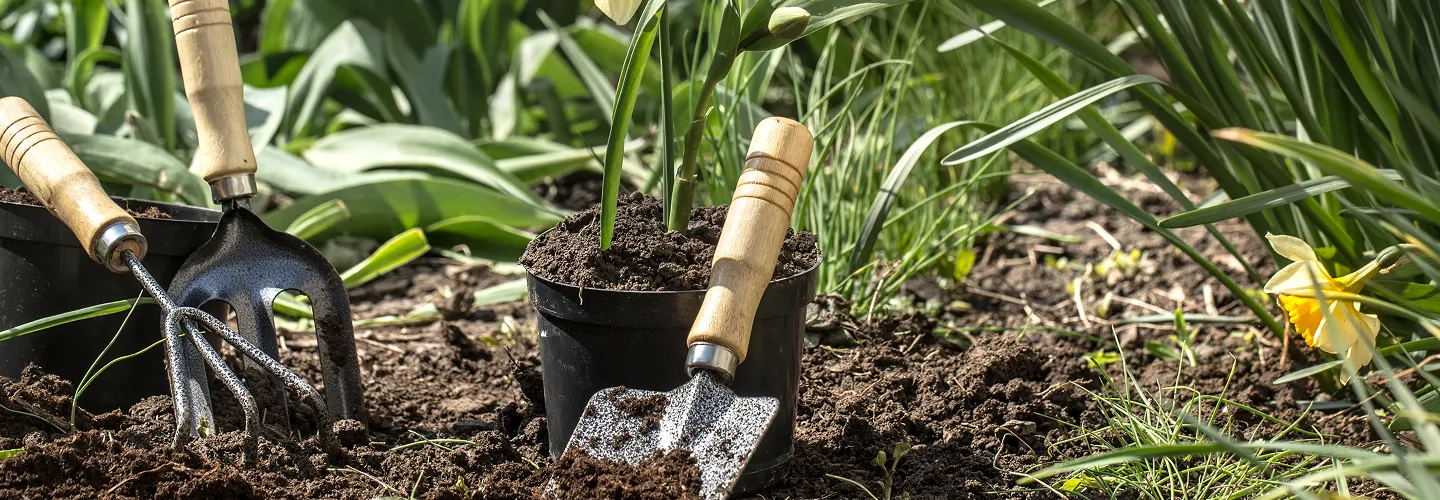
Vineyards Mulching Services
Choose our expert mulching services to enhance soil health, retain moisture, and suppress weeds—ensuring your vineyard thrives with less maintenance and greater yields.
Get a Free QuoteOur Vineyards Landscaping & Yard Care Services
When to Schedule Mulching in Vineyards, Florida – Seasonal Guide
In Vineyards, Florida, timing your mulching service is crucial for maintaining healthy landscapes and maximizing the benefits of moisture retention and weed suppression. The best periods for mulching typically fall in late winter to early spring, just after the last frost date and before the intense summer heat sets in. This timing allows mulch to insulate plant roots, conserve soil moisture, and prepare your garden beds for the growing season. Neighborhoods near Vineyards Community Park and along Vanderbilt Beach Road often experience microclimates influenced by shade coverage and proximity to water features, which can affect the ideal mulching schedule.
Local environmental factors such as high humidity, sandy soils, and the risk of summer droughts play a significant role in determining when to mulch. For example, areas closer to the North Collier Regional Park may benefit from earlier mulching due to increased shade and moisture retention needs. It's also important to consider municipal guidelines and local recommendations, which can be found on the Town of Sudbury's official website, to ensure compliance with any seasonal restrictions or best practices.
Local Factors to Consider for Mulching in Vineyards
- Tree density and canopy coverage
- Soil type (sandy vs. loamy)
- Recent precipitation and drought risk
- Frost dates and seasonal temperature shifts
- Terrain slope and drainage patterns
- Municipal restrictions or neighborhood association guidelines
Benefits of Mulching in Vineyards
Enhanced Soil Moisture Retention
Weed Suppression for Healthier Vines
Improved Soil Fertility
Temperature Regulation for Roots
Reduced Soil Erosion
Sustainable Vineyard Management
Vineyards Mulching Types

Organic Mulch
-
Plastic Mulch
-
Compost Mulch
-
Straw Mulch
-
Wood Chip Mulch
-
Gravel Mulch
-
Living Mulch
Our Mulching Process
Site Preparation
Weed Removal
Mulch Selection
Mulch Application
Final Inspection
Why Choose Vineyards Landscape Services
-
Vineyards Homeowners Trust Us
-
Expert Lawn Maintenance
-
Reliable Irrigation Solutions
-
Comprehensive Seasonal Cleanup
-
Professional Tree and Shrub Care
-
Competitive Pricing
-
Satisfaction Guarantee
Coordinating Mulching Projects with Collier County Departments Serving Vineyards
Vineyards is an unincorporated community within Collier County, meaning all landscaping oversight—including mulching—falls under county-level departments rather than a standalone municipal government. Property owners and managers planning mulching work should coordinate with Collier County's environmental landscaping division, which administers landscape-related requirements including native vegetation preservation, buffer plantings, and ground-cover standards that directly affect how and where mulch may be applied. When mulching near stormwater infrastructure such as swales, retention ponds, or drainage easements, residents should verify that loose mulch materials will not migrate into county-maintained conveyance systems during heavy rain events.
- Confirm whether landscape beds adjacent to rights-of-way or utility easements are subject to county maintenance access requirements before installing mulch
- Coordinate disposal of old or displaced mulch through Collier County's vegetative waste collection procedures rather than depositing material into swales or canal banks
- Review any HOA-specific mulch type or color restrictions, which are common throughout Vineyards subdivisions, before purchasing materials in bulk
Collier County Environmental Landscaping
Official Website: Collier County Environmental Landscaping
Collier County Parks and Recreation
Official Website: Collier County Parks and Recreation
How Vineyards's Subtropical Climate and Sandy Soils Influence Mulching Performance
Vineyards sits within USDA Hardiness Zone 10a, experiencing a subtropical climate characterized by intense summer heat, high humidity, and a pronounced wet season from roughly June through October. These conditions directly affect mulch selection, depth, and maintenance frequency. The area's predominant sandy soils—common across much of southwestern Collier County—drain rapidly and retain very little organic matter, making mulch an essential tool for moisture retention and gradual soil improvement around landscape beds. However, the same sandy profile means that during heavy downpours, lightweight or improperly placed mulch can wash into nearby swales, retention areas, and storm-drain inlets.
- Rapid decomposition: High heat and humidity accelerate organic mulch breakdown, often requiring replenishment more frequently than in cooler climates
- Nutrient leaching: Sandy soils allow nutrients to pass quickly through the root zone; organic mulch helps slow this process as it decomposes
- High water table: In low-lying sections of Vineyards, saturated conditions during wet season can cause mulch to float or shift, requiring heavier or more anchored mulch products
- Reflected heat: Properties with extensive hardscape, driveways, or light-colored pavement benefit from mulch that moderates root-zone temperatures in adjacent beds
The USDA Plant Hardiness Zone Map confirms the tropical-subtropical classification that governs plant selection and, by extension, the mulching strategies appropriate for Vineyards landscapes.
Navigating Collier County's Stormwater and Landscaping Regulations for Mulching in Vineyards
While mulching itself does not typically require a permit, several Collier County regulations affect how mulch is applied, stored, and maintained on residential and commercial properties. Collier County operates under a Municipal Separate Storm Sewer System (MS4) permit administered through the Florida DEP NPDES Stormwater Program, which imposes obligations to prevent pollutant discharge—including sediment and organic debris—into the county's stormwater conveyance network.
- Mulch must not be placed in or allowed to migrate into swales, canal banks, retention pond littoral zones, or curb inlets
- Dyed mulch products should be evaluated for chemical content; materials that leach colorants into stormwater may raise compliance concerns under the Clean Water Act
- Properties adjacent to preserve areas or wetland buffers may be subject to additional landscape standards through Collier County's land development code; verify requirements through the county's planning and zoning resources
- Bulk mulch storage on-site should be managed to prevent runoff of tannins or fine particles during rain events
Residents can consult the county's pollution control division for guidance on stormwater-safe landscaping practices, particularly for properties near lakes, ponds, or canal systems common throughout Vineyards.
Collier County Pollution Control
Official Website: Collier County Pollution Control
Timing and Applying Mulch Around Vineyards's Wet Season and Heat Cycles
Professional mulching in Vineyards should be timed to maximize moisture retention during the dry season (November through May) while accounting for the displacement risks posed by wet-season storms. The most effective application windows are late fall and early spring, when beds benefit from insulation against occasional cool snaps and preparation for summer heat stress.
- Depth: A layer of two to three inches is generally recommended for landscape beds; exceeding this depth can trap excessive moisture against root crowns and promote fungal issues in Vineyards's humid conditions
- Material selection: Melaleuca mulch, pine bark, eucalyptus, and cypress alternatives are commonly available in Collier County; UF/IFAS Gardening Solutions recommends selecting sustainably sourced products and avoiding materials harvested from protected species
- Clearance from stems: Mulch should be pulled back two to four inches from tree trunks and shrub bases to prevent moisture-related bark decay
- Irrigation coordination: Mulch reduces evaporation from bed surfaces, which may allow property owners to adjust irrigation run times downward in accordance with EPA WaterSense outdoor efficiency guidance and South Florida Water Management District watering restrictions
Replenishment is typically needed every four to six months in Vineyards due to the accelerated decomposition rate driven by heat and humidity. After tropical storms or heavy rain events, beds should be inspected for mulch displacement and any material that has washed into drainage infrastructure should be removed promptly.
What Neighborhoods Do We Serve Throughout Vineyards, FL?
- Vineyards Country Club: Established golf-course community with mature landscape beds, extensive irrigation systems, and HOA standards that often specify mulch type and color for front-yard consistency
- Terracina: Properties here feature moderate lot sizes with ornamental beds that benefit from mulch for weed suppression and moisture retention in sandy fill soils typical of newer Collier County subdivisions
- Avellino Isles: Waterfront and lake-adjacent homesites require careful mulch placement to prevent organic material from migrating into retention pond littoral shelves during wet-season storms
- Venezia Grande Estates: Larger estate lots with expansive landscape beds and tree canopies where mulch depth management is critical to prevent root-crown moisture buildup in shaded, humid microclimates
- Vista Pointe: Townhome-style properties with shared landscape areas where coordinated mulching schedules help maintain uniform appearance and drainage performance across common-area beds
- Wedgefield: Single-family homes with typical suburban lot configurations where front-yard mulch beds border county-maintained swales, requiring attention to material migration and stormwater flow